Vera Becker · 7 October 2026
How Volunteer Networks Strengthen Daily Resilience Across Gippsland's Smaller Settlements
Volunteer networks operate as essential threads in the social fabric of Gippsland's smaller settlements, where populations range from a few hundred to a couple thousand residents across towns like Heyfield, Stratford, and Lakes Entrance outskirts. These groups coordinate daily support systems that address isolation, transport gaps, and emergency preparedness in a region prone to seasonal bushfires and flooding. Data from the Australian Bureau of Statistics shows that regional Victoria maintains volunteer participation rates above 25 percent, with higher concentrations in rural zones where formal services remain limited.
Core Functions of Local Volunteer Structures
Residents form volunteer committees that manage community halls, run weekly transport rosters, and maintain shared gardens that supply fresh produce during lean months. In smaller settlements, these networks often fill roles that larger councils cannot sustain year-round, such as checking on elderly neighbors after storms or organizing bulk food deliveries from regional hubs. Observers note that coordination happens through simple phone trees and shared digital calendars, which allow quick responses when roads close due to weather events common in October each year.
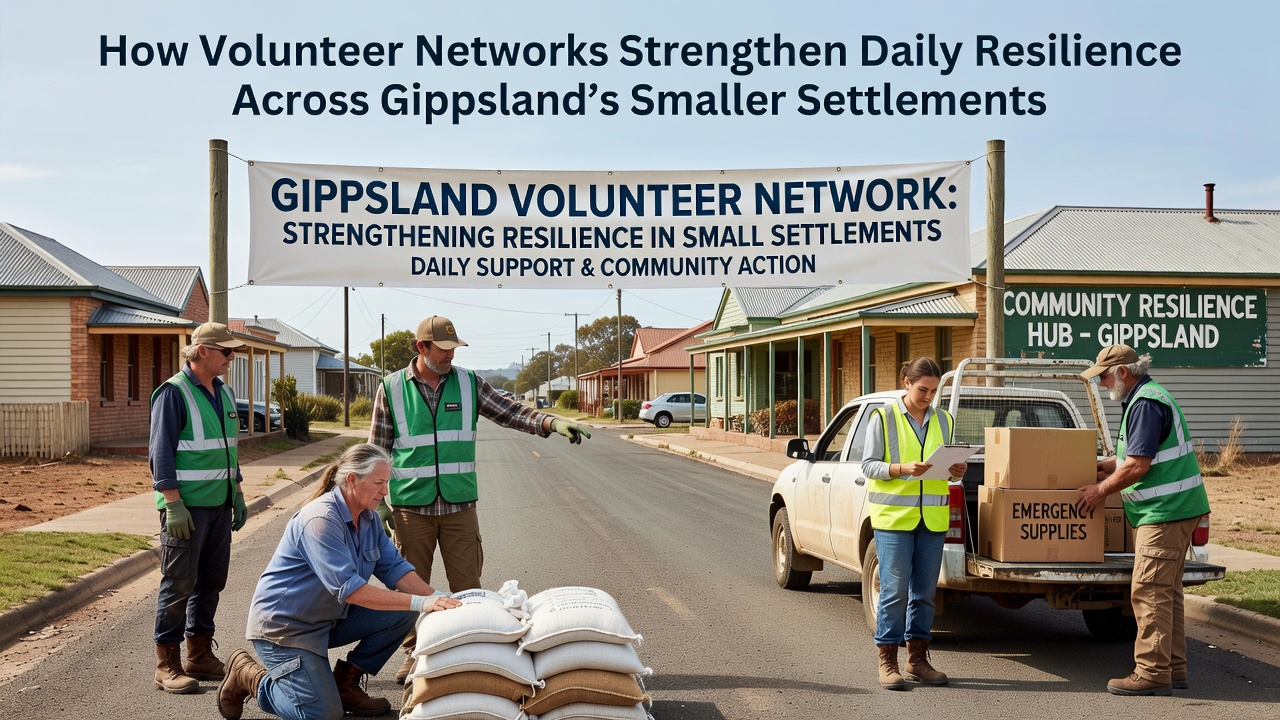
October 2026 brings scheduled community resilience drills across Gippsland, where volunteer teams practice evacuation routes and supply distribution alongside local emergency services. These exercises build on existing patterns rather than creating new systems, allowing participants to refine communication channels that already operate for routine tasks like school bus support and medical appointment shuttles.
Emergency Response and Seasonal Preparation
Bushfire seasons test these networks most directly, yet daily operations prepare residents through regular equipment checks and neighbor mapping. Volunteer brigades affiliated with the Country Fire Authority maintain local knowledge of access tracks and water points that official maps sometimes overlook. Research indicates that communities with active volunteer rosters experience faster initial response times during isolated incidents, because members live within minutes of each other and already know household locations.
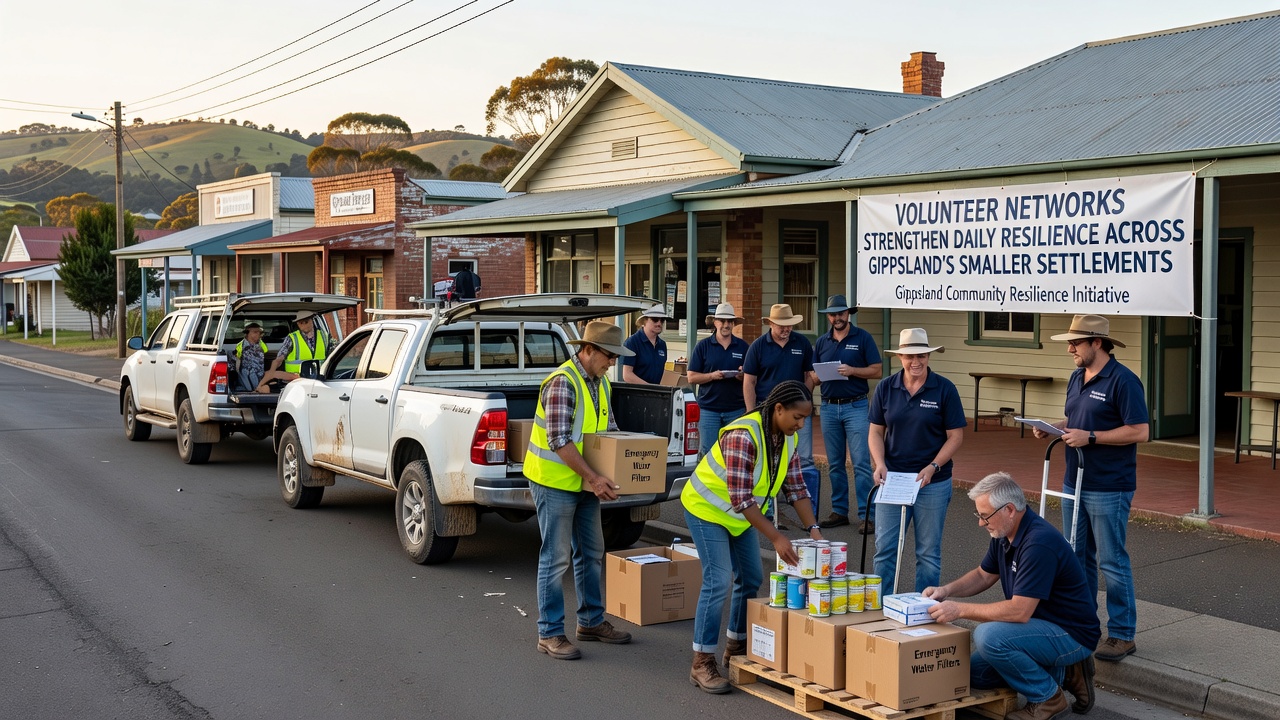
Flood preparation follows similar patterns. Groups stock sandbags and monitor river levels using both official alerts and informal observations passed between farms. A Statistics Canada report on rural volunteerism highlights parallel outcomes in comparable Canadian regions, where volunteer density correlates with reduced property damage during spring thaws through preemptive community action.
Social Connection and Health Support Systems
Beyond crises, volunteer networks address chronic isolation that affects mental health in low-density areas. Weekly drop-in centers staffed by rotating volunteers provide spaces for conversation and light activities, while trained members conduct home visits for residents recovering from illness. These interactions create informal early-warning systems for health declines, allowing families or services to intervene before situations escalate.
Transport volunteers bridge another gap by driving residents to appointments in larger centers like Traralgon or Sale. Rosters rotate to avoid burnout, and some settlements partner with neighboring towns to share drivers on quieter weeks. Figures from regional health services reveal that consistent volunteer transport reduces missed appointments by measurable margins, which in turn lowers emergency presentations that could have been prevented through routine care.
Resource Sharing and Economic Buffering
Tool libraries and skill exchanges run by volunteers stretch limited household budgets in settlements where employment often ties to seasonal agriculture or tourism. Residents borrow equipment for home repairs instead of purchasing rarely used items, while volunteer-led workshops teach basic maintenance that extends equipment life. These arrangements function as economic stabilizers during periods of fluctuating commodity prices or tourism downturns.
Local produce swaps organized monthly prevent food waste and introduce variety into diets, particularly for households without reliable vehicle access to supermarkets. Data collected by community groups shows steady participation across age brackets, with younger residents often contributing technical skills like online ordering setups in exchange for gardening knowledge from older members.
Challenges and Adaptation Patterns
Volunteer networks face recruitment pressures as younger residents move to larger centers for work, yet many settlements counter this through flexible involvement options that accommodate shift workers and remote employees. Training programs delivered by regional organizations keep skills current without requiring long travel commitments. Observers have documented how digital tools now supplement face-to-face coordination, allowing volunteers who live slightly farther out to stay engaged through virtual check-ins.
Retention improves when groups recognize contributions publicly and pair new members with experienced ones for initial tasks. This mentoring approach transfers institutional knowledge about local conditions that no manual fully captures, such as which creek crossings become impassable after specific rainfall amounts.
Conclusion
Volunteer networks in Gippsland's smaller settlements demonstrate measurable impacts on daily resilience through coordinated support across emergencies, health, transport, and resource sharing. Their operations rely on established local relationships and adapt to seasonal demands without replacing formal services. Continued participation data and cross-regional comparisons suggest these structures will remain central to community function as settlement patterns evolve.